Tips and Tricks

Perfect Boiled Eggs: A Simple Guide to Getting It Right


Boiling eggs might seem like one of the simplest cooking tasks, yet achieving that perfectly cooked consistency—whether you prefer soft-boiled, medium, or hard-boiled—can sometimes be elusive. One common mistake many make is starting with cold water, which can affect cooking times and results. Here’s a straightforward method to boil eggs that ensures they turn out just the way you like them every time.

Understanding the Basics:

Boiled eggs are a versatile food that can be enjoyed on their own, added to salads, or used in various dishes. They are a good source of protein, vitamins, and minerals, making them a healthy choice for any meal.

Materials Needed:

Fresh eggs

Pot with a lid

Bowl with ice water (for cooling)

Timer

Steps to Boil Eggs Perfectly:
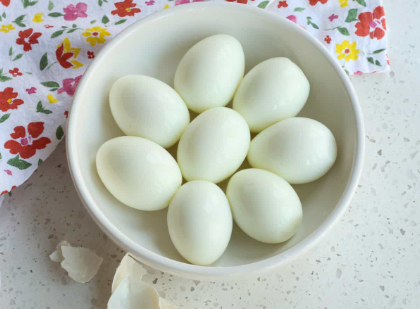
Room Temperature Eggs:

Start with eggs that are at room temperature. This helps to prevent the shells from cracking due to a sudden change in temperature when they hit the hot water.

Boiling Water:

Fill a pot with enough water to cover the eggs completely. Bring the water to a full boil over high heat.

Adding the Eggs:

Once the water is boiling, reduce the heat to low (just enough to maintain a simmer) and use a spoon or ladle to gently lower the eggs into the water. This prevents the eggs from bouncing and cracking.

Cooking Time:

For soft-boiled eggs: Cook for about 4-6 minutes.

For medium-boiled eggs: Cook for about 6-9 minutes.

For hard-boiled eggs: Cook for about 10-12 minutes.

Adjust the time slightly depending on the size of the eggs and your altitude, which can affect cooking.

Cooling the Eggs:

Once the eggs are cooked to your liking, remove them with a slotted spoon and immediately place them into a bowl of ice water. This stops the cooking process and makes peeling easier.

Peeling:

After the eggs have cooled for about 5 minutes in ice water, gently crack the shells and peel them under a little running water. The water helps to lift the shell away from the egg.

Tips for Best Results:

Freshness: Use relatively fresh eggs, but not the freshest you can find, as slightly older eggs peel more easily.

Consistency: Use the same method and timing once you find what works best for your preferred level of doneness.

Storage: Boiled eggs can be stored in the refrigerator for up to a week. Keep them in their shells until you’re ready to eat them to maintain freshness.

Boiling eggs correctly might take a little practice to perfect the timing, but once you master it, you’ll be able to enjoy perfectly cooked eggs anytime. This method is not just about simplicity but also about bringing out the best in a humble egg. Give it a try, and you might just find your eggs turning out amazing every single time!

Related Posts

Don’t put the shrimp in the refrigerator right away after you buy it. Do this extra step and the shrimp will stay fresh and delicious for a whole month without losing its flavor

The common mistake home cooks make is rushing to chill or freeze their freshly bought shrimp without proper preparation. Simply tossing a bag of raw shrimp into the...

Pour Salt Down Your Toilet and Watch What Happens Next (The Secret Plumbers Don’t Want You to Know)

The $1 Kitchen Staple That Obliterates Odors, Unclogs Drains, and Whitens Porcelain Overnight.Salt. It’s the most basic seasoning on Earth, making every dish tastier. But what if we...

Nobody had told me that

“No one told me about this.”That was my first reaction when I learned how powerful castor oil can be. For years, this thick golden oil stayed forgotten in...

STOP Using Minoxidil! This Ancient Kitchen Oil Cures Bald Spots Faster Than Pharmacy Drugs

The Clove-Rosemary Secret That Wakes Up ‘Dead’ Hair Follicles (And Why Doctors Won’t Tell You)You thought those bald spots were permanent? Think again. The ugly truth about hair...

Flaxseed Baby Oil Formula: Collagen Oil For Your Wrinkle Free Skin

Wrinkles form when collagen fibers in the dermis break down faster than they are renewed—a process accelerated by UV exposure, chronic dryness, and oxidative stress. Using nutrient-rich botanical...

Để lại một bình luận

Email của bạn sẽ không được hiển thị công khai. Các trường bắt buộc được đánh dấu *