
A history of bad times
When pondering the worst time to be alive, many would instinctively point to the COVID-19 pandemic. While it’s true that the pandemic brought unprecedented challenges and devastation, history reveals far worse periods. But which era stands out as the most dire? Surprisingly, it is not the Black Death of 1349, which ravaged Europe, nor the 1918 flu pandemic that claimed 50-100 million lives. Instead, the answer lies in the year 536.
In 536, a bizarre and ominous fog swept across Europe, the Middle East, and parts of Asia, plunging the world into an eerie darkness that lasted for 18 months. This was no ordinary fog; it obscured the sun during the day, causing temperatures to plummet, crops to fail, and death tolls to rise, according to History.com. It was the actual Dark Age.
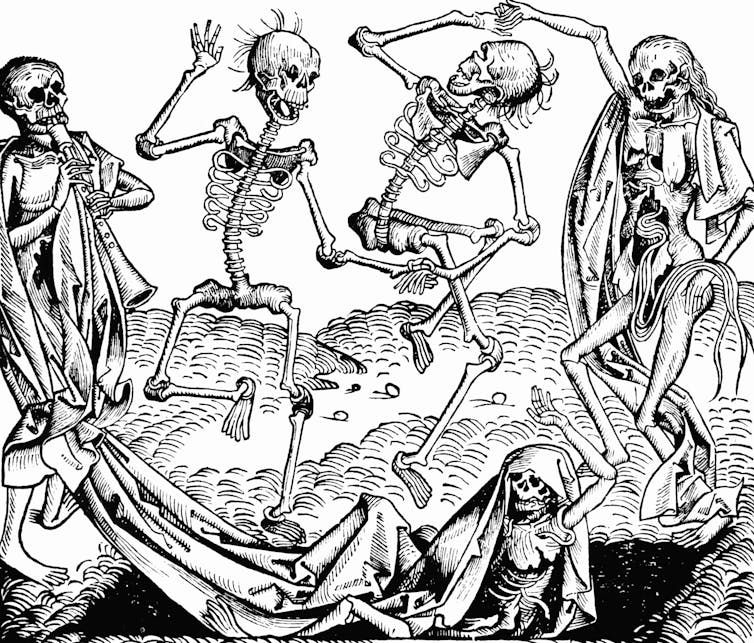
536: the worst year in history?
536 is the current consensus candidate for worst year in human history. A volcanic eruption, or possibly more than one, somewhere in the northern hemisphere would seem to have been the trigger.
Wherever it was, the eruption precipitated a decade-long “volcanic winter”, in which China suffered summer snows and average temperatures in Europe dropped by 2.5°C. Crops failed. People starved. Then they took up arms against each other.
In 541 bubonic plague arrived in Egypt and went on to kill around a third of the population of the Byzantine empire.
Even in distant Peru, droughts afflicted the hitherto flourishing Moche culture.
Increased ocean ice cover (a feedback effect of volcanic winter) and a deep solar minimum (the regular period featuring the least solar activity in the Sun’s 11-year solar cycle) in the 600s ensured that global cooling continued for more than a century.
Many of the societies living in 530 simply could not survive the upheavals of the decades that followed.

The new ‘science’ of climate history
Historians now take a particular interest in subjects such as this because we can collaborate with scientists to reconstruct the past in new and surprising ways.
Only a fraction of what we know, or think we know, about what happened during such murky moments now comes from traditional written sources. We have a few for 536: the Byzantine historian Procopius wrote that year that “a most dread portent has taken place”, and the Roman senator Cassiodorus noted in 538


