Part 2 of 2
Why Do Married Couples in Japan Sleep Separately?
 Olivia
30 Tháng 10, 2024
Olivia
30 Tháng 10, 2024

As couples grow older, they may experience different sleep issues due to changes in health or physical conditions. Having separate sleeping arrangements can help lessen the effects of these disturbances on both individuals. For example, a partner with “sleep apnea” or other sleep disorders may disturb their spouse’s sleep less if they sleep in different beds or rooms. This arrangement can result in improved rest for both partners, ultimately enhancing their overall well-being.

In numerous situations, couples have varying work schedules or personal routines that can disrupt each other’s sleep patterns. For example, one partner may be a “night owl,” while the other prefers to go to bed early. By sleeping separately, each partner can maintain their desired sleep schedule, leading to improved sleep quality and reducing disturbances to their natural sleep rhythms.
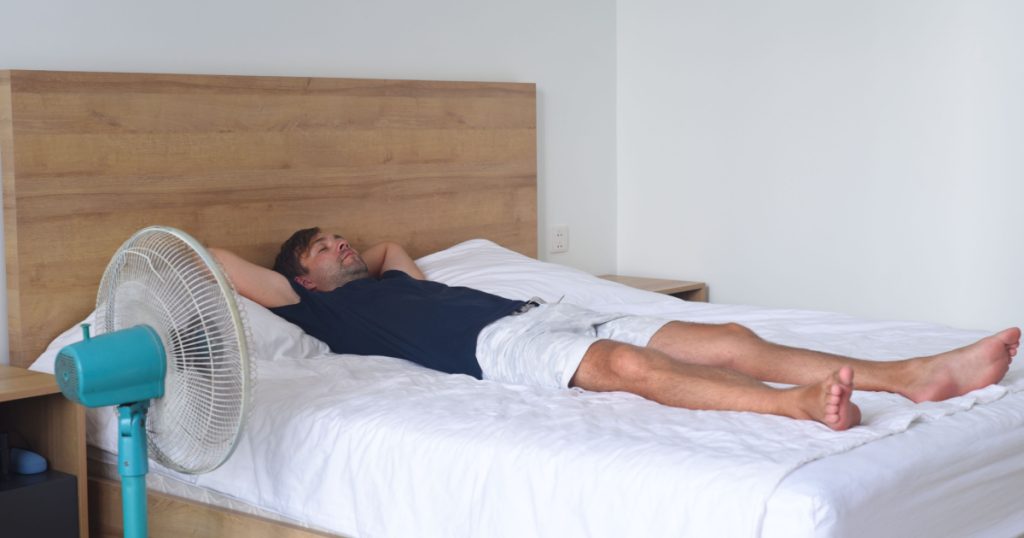
Another aspect that can affect sleep quality is temperature preferences. Some people like to sleep in a cooler environment, while others prefer it to be warmer. When sharing a bed with differing temperature preferences, discomfort and sleep disturbances can occur. By sleeping separately, each partner can adjust the room temperature to suit their liking, leading to a more comfortable and restful sleep experience.

Sleeping in separate beds is essential for emotional health and can lead to a more peaceful and restorative sleep experience. Improved sleep quality can help lower stress levels and enhance emotional regulation, leading to a more harmonious and fulfilling relationship.

Ultimately, having separate sleeping arrangements can help couples honor each other’s boundaries and personal needs. It enables them to focus on their individual well-being while still nurturing a loving and supportive relationship during the day.
In summary, sharing separate beds in a marriage or relationship is not a universal remedy. It varies based on the specific dynamics and requirements of each couple. Although it might not work for everyone, for some, it can be a positive option that enhances their overall well-being and happiness. The essential factors are open communication, understanding, and reaching a mutually satisfying compromise that best suits both partners.


